
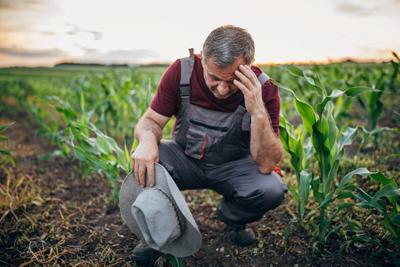
According to the National Rural Health Association, suicide rates are “significantly higher” in rural areas compared to urban communities. Isolation, limited access to health care, and the stigma surrounding mental health discussions often compound the challenges faced by farmers and their families.
Mental health professionals emphasize that one of the most important steps farmers can take is simply asking for help. Talking with spouses, family members, neighbors, or trusted friends can reduce feelings of isolation and help individuals recognize when stress is becoming overwhelming. Peer support within farming communities is often especially powerful, as shared experiences foster understanding and trust.
Stress-management strategies can also make a meaningful difference. These may include setting realistic workloads, taking short breaks during long days, maintaining regular sleep schedules, and finding time for physical activity. Some farmers find relief through mindfulness practices, faith-based support, or participation in local organizations that provide social connection beyond the farm.
Access to professional help remains a key component as well. Counselors and mental health providers trained to work with rural populations understand the unique pressures of agricultural life. While services may be less accessible in remote areas, telehealth options have expanded in recent years, making support easier to reach.
Advocates stress that prioritizing mental health is not a sign of weakness, but a necessary part of sustaining both individuals and the agricultural communities they support. By encouraging conversation, reducing stigma, and connecting farmers with resources, communities can take meaningful steps toward addressing a critical issue.





Comments (0)
Log in or register to leave a comment.
No comments yet. Be the first to share your thoughts!